




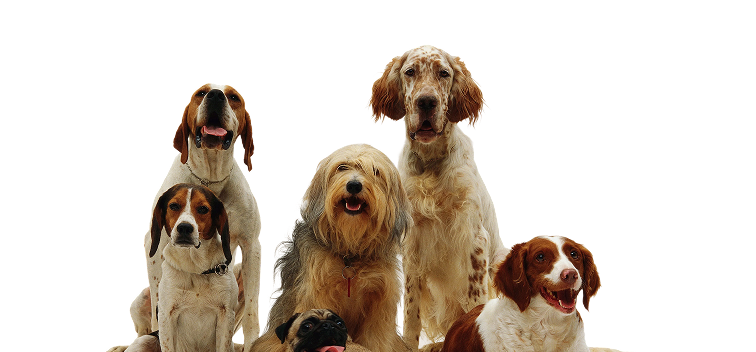


Knowing your pet’s size isn’t just about finding the right harness but about understanding how much energy they truly need each day. Finding the right size and the correct amount of nutrition makes the difference between “doing okay” and “thriving”.
Different metabolism
Small dogs burn energy more quickly and need more concentrated, frequent meals.
Digestion and absorption
The kibble should be sized appropriately for your dog’s mouth and digestive capacity: kibble that is too large or too rich can upset the stomach.
Calorie needs
A Chihuahua may need up to twice as many calories per kilogram of body weight as a Labrador, even though it weighs ten times less.
Growth and Development
Larger breeds grow more slowly: they need a balanced diet that supports their bones and joints, while avoiding excessive protein intake.
Life expectancy
Small dogs live longer, but are more prone to hypoglycemia; large dogs age faster and require joint support and antioxidants.
Frequency of meals
Small dogs prefer smaller, more frequent meals; large dogs do better with two full meals a day.
Custom portions
“Body type” isn’t just about weight: lifestyle, physical build, and the type of energy your pet burns each day also matter.
Safety and Well-being
A wrong portion size (even by just a few grams) can make the difference between a healthy weight and being overweight: the most common mistake among Italian pet owners.
Sources: ENPA, VetJournal, LaStampa, etc.
With three simple measurements: weight, chest circumference, and length – you can determine your dog’s “size class” and choose the right portion size for them.
Weight
Weigh the dog or estimate its weight
Chest circumference
From behind the front legs
Back length
From the base of the neck to the base of the tail